

During the 2025 San Antonio Breast Cancer Symposium®, experts will examine one of the most debated topics in women’s health — menopausal hormone therapy (MHT) — in the context of breast cancer risk, treatment, and survivorship.
The educational session Balancing Act: Hormone Replacement Therapy in Breast Cancer Care will be held on Tuesday, December 9, from 2:30 to 4:15 p.m. CT in Hemisfair Ballroom 1-2 at the Henry B. Gonzalez Convention Center.
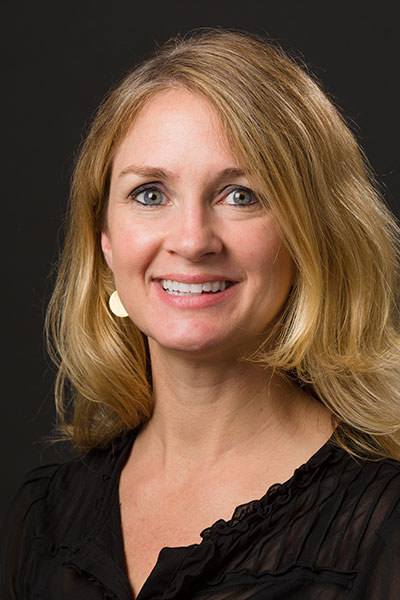
Panelists will address the unmet needs of patients with breast cancer who are experiencing menopausal symptoms, the evolution of evidence and guidelines for MHT, myths, current recommendations from major societies, and tailored considerations for high-risk individuals, survivors, and various breast cancer subtypes, according to Session Moderator Tara Sanft, MD, Associate Professor of Medicine (Medical Oncology) and Director of the Smilow Cancer Hospital Survivorship Clinic at the Yale School of Medicine.
“For more than 20 years, hormone therapy for women going through menopause or postmenopause has largely been avoided,” Dr. Sanft said. “That stems from studies published in the early 2000s suggesting significant risks for cancer, dementia, and stroke. As a result, most women haven’t [used] menopause hormone therapy to help manage their menopause symptoms.”
More recently, however, she said that there is a growing understanding that some of that original data were perhaps interpreted too broadly.
“There are important nuances that make us question whether we were too restrictive in concluding who could or couldn’t benefit from hormone therapy,” Dr. Sanft said. “That’s led to a growing movement — supported by new analyses and expert consensus — toward reevaluating the role of hormone therapy.”
Based on a review of the data, the U.S. Food and Drug Administration recently removed longstanding warnings about the risk of cardiovascular disease, breast cancer, and dementia from MHT use.
“There’s a lot of public interest — especially on social media, where menopause influencers and experts are encouraging women to discuss these options with their doctors,” Dr. Sanft said. “As clinicians, we need to be informed so that we may guide our patients appropriately.”
For clinicians who treat patients with breast cancer, she said this resurgence raises crucial questions.
Most breast cancers are hormone-sensitive, Dr. Sanft said. “So what does all this new information mean for our patients? That’s exactly what our session aims to address. We’ll look closely at the evolving data, current recommendations from leading societies, and how to translate these findings into safe, informed care for women with, or at risk for, breast cancer.”
Panelists for the session include Maryam Lustberg, MD, MPH, Professor of Medicine (Medical Oncology), Director of the Center for Breast Cancer at Smilow Cancer Hospital, and Chief of Breast Medical Oncology at Yale Cancer Center. Dr. Lustberg will open the presentations with a review of the unmet needs in menopause symptom management for patients with breast cancer.
Lisa Larkin, MD, MSCP, CEO and Founder of Ms.Medicine, will discuss MHT after breast cancer, giving context to the evolution of the hormone formulations used in the past and considerations for use today.
Juliana Kling, MD, MPH, MSCP, Professor of Medicine, Chair of Women’s Health Internal Medicine, and the Suzanne Hanson Poole Dean of the Mayo Clinic Alix School of Medicine’s Arizona Campus, will discuss data on low-dose vaginal estrogens.
Finally, Dr. Lustberg will synthesize the evidence and explore how these findings might inform real-world decision-making.
“She’ll look at key clinical scenarios,” Dr. Sanft said. “For example: Are there subsets of patients, such as those with triple-negative disease or long-term survivors, who might safely benefit from hormone therapy? Does risk differ by subtype or by time since diagnosis? And what are the best alternatives when MHT isn’t an option? We hope to build in interactive polling questions to understand what the audience would do in these scenarios. I hope it plants the seeds for a great discussion.”
The session will conclude with a panel discussion featuring patient advocate Thelma Perry Brown, who will bring an essential patient-centered perspective.
“It’s so important to include the patient voice,” Dr. Sanft said. “Physicians often focus on preventing recurrence, but patients are the ones living with the consequences and side effects of our treatments. Their experiences and goals need to be part of this dialogue.”
Ultimately, Dr. Sanft hopes attendees will leave with practical, up-to-date insights.
“By the end of this session, I want care providers to feel more confident navigating these conversations with their patients,” she said. “They should come away understanding the latest evidence, knowing where the guidelines are headed, and feeling better equipped to personalize care for every breast cancer survivor who asks about menopausal hormone therapy.”
Session titles, times, and locations are subject to change. For the most up-to-date SABCS program information, please visit the Program page at SABCS.org.