

The tumor microenvironment (TME) is a complex ecosystem of cancer cells, stromal cells, diverse types of immune cells, blood vessels, the extracellular matrix, and a plethora of pro- and anti-tumor signaling molecules.
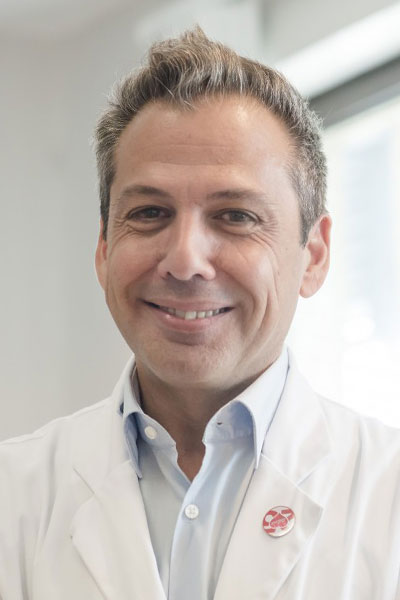
Tumor-infiltrating lymphocytes (TILs) have been shown to be important mediators of anti-tumor immune responses in triple-negative breast cancer and HER2-positive breast cancers, and higher levels of TILs are associated with better response of such tumors to neoadjuvant chemotherapy and immunotherapy, explained Christos Sotiriou, MD, PhD, Research Director at Fonds de la Recherche Scientifique (FNRS), Chef de Clinique at the Institut Jules Bordet, and Director of the Bordet Cancer Research Laboratories.
However, in contrast to tumors with high TILs or “immune-hot” tumors, Dr. Sotiriou said, the anti-tumor response in “immune-cold” tumors is much less robust. In these tumors, the presence of certain stromal and immune components makes the TME hostile to immune infiltration and immune-mediated clearance of the tumor.
“The tumor microenvironment includes non-T cells as well, which can suppress the anti-tumor immune response,” he said. “These include components of the innate immune system, such as macrophages, as well as non-immune cells such as cancer-associated fibroblasts (CAFs).”
At the 2025 San Antonio Breast Cancer Symposium®, Dr. Sotiriou will moderate a session focused on the current understanding of the role of non-T cells in mediating tumorigenesis and invasive behavior via pro-tumoral signaling, and how this understanding can be harnessed to inform the design of breast cancer clinical trials. The session, State of the Art 2: Targeting the Non-T Cell Microenvironment, will take place on Thursday, December 11, from 1 to 2:15 p.m. in Stars at Night Ballroom 3-4 at the Henry B. Gonzalez Convention Center.
Dr. Sotiriou noted that while much work has focused on TILs, there is less known about the non-T cell components of the TME.
“The main idea behind the session is to shine a spotlight on the other cells in the TME and how they can inform the development of strategies for improving the effectiveness of anti-cancer treatments,” he said.
During the session, Fatima Mechta-Grigoriou, PhD, Head of the Stress and Cancer Laboratory and Director of the Chemical Biology of Cancer Research Unit at the Institut Curie, will deliver a presentation on fibroblasts and immunosuppression in breast cancer. Dr. Mechta-Grigoriou’s work has revealed the heterogeneity of CAFs in the TME and their pro-/anti-tumor effects, including promoting proliferation of cancer cells, extracellular matrix remodeling, dissemination of metastatic tumor cells, immunosuppression, and treatment resistance.
George Plitas, MD, Director of Research for the Breast Service at the Department of Surgery, Memorial Sloan Kettering Cancer Center, will focus on targeting non-T cells in the clinic. Dr. Plitas will explore how the role of these other cells in the TME can be understood and how this could lead to the development of therapies that target non-T cells, such as macrophages, neutrophils, and CAFs, to improve treatment responses and patient outcomes, Dr. Sotiriou said.
“For instance, there are drugs that repolarize macrophages, promoting conversion of macrophages from the M2 pro-tumoral state to the M1 anti-tumoral state,” he said. “Studies combining chemo/endocrine therapy with such drugs that remodel the macrophage states and/or reshape the TME in a way to improve therapeutic response can be envisioned.”
A presentation by Kelly Kersten, PhD, Assistant Professor in the Cancer Metabolism and Microenvironment Program at the Sanford Burnham Prebys Medical Discovery Institute, will focus on the role of macrophage reprogramming in breast cancer outcomes. Patient advocate Cheryl Jernigan, a member of the PIVOT Patient Research Advocacy Program at the University of Kansas Cancer Center, will join presenters for a panel discussion.
Session titles, times, and locations are subject to change. For the most up-to-date SABCS program information, please visit the Program page at SABCS.org.