

CDK4/6 inhibitors have transformed the treatment of hormone receptor (HR)-positive, human epidermal growth factor receptor 2 (HER2)-negative metastatic breast cancer.
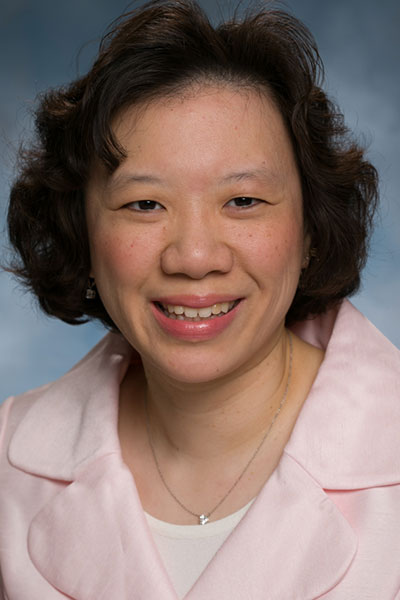
“Combining CDK4/6 inhibitors with endocrine therapy is an established standard first-line treatment for metastatic disease,” said Antoinette Tan, MD, MHSc, Professor of Cancer Medicine at Wake Forest University School of Medicine. “However, tumors eventually develop resistance.”
The 2025 San Antonio Breast Cancer Symposium® will explore the evolving second-line treatment options for these patients during the session After CDK4/6 Inhibitors: Advancing Treatment for HR-positive, HER2-negative Metastatic Breast Cancer, on Tuesday, December 9, from 2:30 to 4:15 p.m. CT in the Stars at Night Ballroom 1-2 of the Henry B. Gonzalez Convention Center.
Dr. Tan, who will moderate the session, noted that the availability of oral selective estrogen receptor degraders (SERDs), PI3K inhibitors, AKT inhibitors, mTOR inhibitors, and PARP inhibitors have expanded the therapeutic options post-frontline therapy for HR-positive, HER2-negative metastatic breast cancer.
“The expanding array of targeted therapies complicates decision-making and presents significant challenges for clinicians in selecting the best systemic therapy upon progression,” she said. “This is a timely and valuable session to review the efficacy of approved treatment options post-progression on CDK4/6 inhibitors. Medical oncologists, surgical oncologists, radiation oncologists, pathologists, and patients will benefit from attending.”
Mafalda Oliveira, MD, PhD, a medical oncologist at Vall d’Hebron University Hospital, will open the session with insights on treatment strategies after CDK4/6 inhibitor progression, including an examination of emerging evidence, novel therapeutic strategies, and biomarker-driven approaches to guide treatment selection.
Erica L. Mayer, MD, MPH, Director of Clinical Research in the Breast Oncology Center at Dana-Farber Cancer Institute, will discuss next-generation endocrine therapy agents, their mechanisms of action, and clinical data. Elacestrant and imlunestrant are two oral SERDs that have been approved by the U.S. Food and Drug Administration (FDA) in recent years, and Dr. Tan highlighted other agents that are in various stages of clinical development. These include complete estrogen receptor antagonists, proteolysis-targeting chimeras, later generation selective estrogen receptor modulators, and selective estrogen receptor covalent antagonists.
“These compounds will potentially reshape the post-CDK4/6 inhibitor treatment landscape, and further improve therapeutic efficacy and tolerability,” she said.
Shom Goel, MBBS, PhD, a physician-scientist at the University of Melbourne and Peter MacCallum Cancer Centre, will conclude the session by exploring emerging agents targeting CDK4/6 inhibitor resistance.
“Understanding how cancer cells rewire the cell cycle to escape CDK4/6 blockade is revealing new vulnerabilities that can be therapeutically exploited,” Dr. Tan said. “Dr. Goel will discuss novel cell cycle-targeting agents and the biological rationale for their use, highlighting how these advances may redefine post-CDK4/6 inhibitor treatment strategies.”
Attendees will also hear from Abigail Johnston, JD, a patient advocate with SurvivingBreastCancer.org who will share her perspective on treatment decision-making while living with metastatic breast cancer. Certain questions in this area of cancer care remain unresolved, Dr. Tan, said, such as strategies to reduce the toxicities of PI3K/AKT-targeted therapies, which include hyperglycemia, rash, and gastrointestinal symptoms.
“Management and mitigation of these side effects is critical to optimize patient safety and maintain quality of life,” she said. “There is a growing pipeline to develop more selective PI3K and AKT inhibitors with a more manageable toxicity profile than the ones currently FDA-approved.”
Dr. Tan noted that blood and tissue profiling now plays a much larger role in identifying ESR1, PIK3CA, PTEN, AKT, and BRCA1/2 mutations. This can present another conundrum, Dr. Tan said, of how to select the optimal treatment when tumors have more than one actionable mutation.
“In about 15% of cases, patients have tumors that harbor both ESR1 and PIK3CA mutations and the optimal treatment strategy following progression on endocrine and CDK4/6 inhibitor therapy is not well defined,” she said. “We await trials to address this question.”
Session titles, times, and locations are subject to change. For the most up-to-date SABCS program information, please visit the Program page at SABCS.org.