During the 2026 San Antonio Breast Cancer Symposium®, panelists will discuss how the development of circulating tumor DNA (ctDNA) tests to detect molecular or minimal residual disease (MRD) may be instrumental in improving breast cancer outcomes in both the early and metastatic breast cancer settings. The session, Translational Controversies: Utility of MRD and ctDNA in Breast Cancer, will be held on Thursday, December 10, from 1 to 2:15 p.m. CT in Stars at Night Ballroom 3-4 at the Henry B. Gonzalez Convention Center.
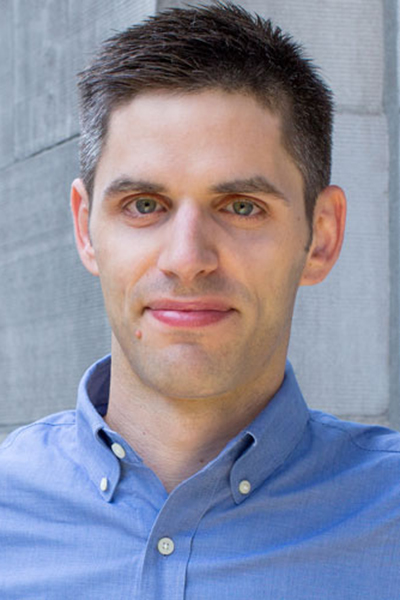
“This session focuses on a very important but somewhat controversial area of breast cancer treatment,” said session moderator David Cescon, MD, PhD, of the Princess Margaret Cancer Centre at the University of Toronto.
He added that ctDNA monitoring is “a rapidly evolving and powerful technology that can give us insight into the status of a person’s disease, whether that individual has early-stage or metastatic breast cancer.”
The application of ctDNA technology is different in the two settings, Dr. Cescon noted—for example, detecting traces of ctDNA remaining after curative-intent surgery or neoadjuvant chemotherapy in patients with early-stage breast cancer, and monitoring real-time tumor burden and ongoing response to systemic treatments in patients with advanced disease.
“We have gleaned over the last five years or so from research that these tests can have analytic validity and clinical validity,” Dr. Cescon said. “These tests measure what they are supposed to measure. We understand what the prognostic implications of a positive or negative ctDNA test result are across many breast cancer clinical scenarios.”
“What we don’t yet know is how best to use that information in a way that improves patient outcomes,” he continued. “That is the utility part of the equation that needs more research. The ultimate goal would be to widely implement these tests in clinical practice when we understand their utility and how to optimize their use to individualize patient care.”
During the session’s four presentations, a group of international experts in the field will tackle how to design clinical trials to answer these questions and increase clinicians’ understanding of the utility of liquid biopsy tests.
Nicholas C. Turner, MD, PhD, of The Royal Marsden Hospital and Institute of Cancer Research, will focus his presentation on MRD in early-stage breast cancer. Jo Chien, MD, of the University of California, San Francisco, will discuss ctDNA-guided endpoints in metastatic disease. Yu Shyr, PhD, of Vanderbilt University School of Medicine, will present on endpoints in modern clinical trials. And Patricia A. Spears, BS, of the Patient Advocates for Research Council at the University of North Carolina Lineberger Comprehensive Cancer Center, will speak about navigating MRD testing and partnering with patients to optimize care.
“I would encourage attendees to join us in what will, hopefully, be a spirited session that is meant to focus on the rapidly evolving use of liquid biopsy in both early- and late-stage breast cancer,” Dr. Cescon said. “We will have plenty of time for interaction between the presenters and the audience, so I encourage attendees, either in person or online, to come with questions and to participate in this important discussion.”
“We want to have a rich discussion about how we can work together to advance these exciting tools,” he added, “and help clinicians provide more effective, individualized care for people with breast cancer—care that must be meaningful and acceptable to patients, with the ultimate goal of improving their outcomes.”
Session titles, times, and locations are subject to change. For the most up-to-date SABCS 2026 program information, please visit the Program page at SABCS.org.