At the 2026 San Antonio Breast Cancer Symposium®, a special session will explore three different cancer vaccines being developed to prevent or intercept breast cancer. Harnessing Immunity for Breast Cancer Prevention: Emerging Vaccines will be held on Tuesday, December 8, from 11 a.m. to 12:30 p.m. CT in Stars at Night Ballroom 3-4 at the Henry B. Gonzalez Convention Center.
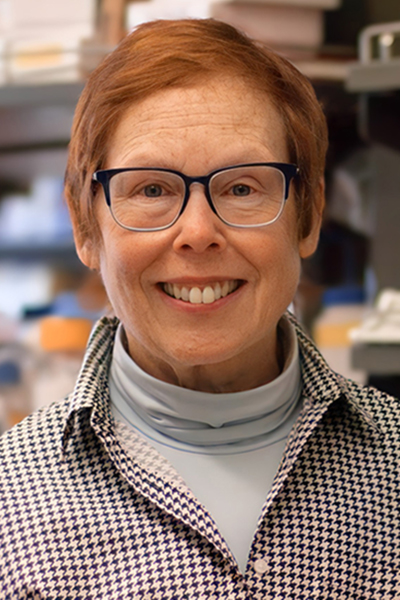
“We have really cracked the code on which immunogenic proteins we should be educating the immune system to recognize to be able to kill breast cancer,” said session moderator Mary L. (Nora) Disis, MD, professor in the Division of Hematology and Oncology at the University of Washington and Fred Hutch Cancer Center.
George Thomas Budd, MD, an oncologist in the Taussig Cancer Center at Cleveland Clinic, will discuss the potential of an alpha-lactalbumin-targeting vaccine to prevent triple-negative breast cancer.
Susan Domchek, MD, FAACR, Basser Professor in Oncology and director of the Cancer Risk Evaluation Program at Abramson Cancer Center at the University of Pennsylvania, will discuss BRCA-specific vaccines under investigation for the prevention of breast cancer.
Olivera Finn, PhD, distinguished progressor in the Departments of Immunology and Surgery at the University of Pittsburgh, will provide updates from an ongoing early-phase trial evaluating a MUC1-targeting peptide vaccine to prevent the progression of ductal carcinoma in situ to invasive cancer.
Pat Haugen, a patient advocate from Sioux Falls, South Dakota, will share additional perspectives during a panel discussion.
“The culmination of this session is that we are understanding with much more precision the clinical context in which vaccines will work best, the best ways to design vaccines to make them more immunogenic, and the patient populations that would be most suited for vaccines,” Dr. Disis said.
In closing, Dr. Disis shared these words of advice for practicing clinicians:
“Don’t write off cancer vaccines. If there is an open clinical trial enrolling patients for a cancer vaccine, and your patient seems to meet the criteria, offer it. The safety profile is favorable, and some of these newer vaccines, especially the ones to be discussed in this session, certainly have evidence that they may be effective in [certain] disease-specific states.”
Session titles, times, and locations are subject to change. For the most up-to-date SABCS 2026 program information, please visit the Program page at SABCS.org.