The 2026 San Antonio Breast Cancer Symposium® will highlight many state-of-the-art therapies and advances in standards of care, but making sure all patients with breast cancer can benefit from these positive developments remains a challenge.
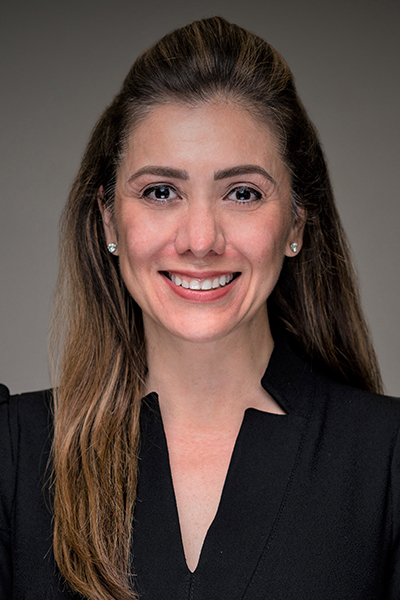
“The reality is that not every single patient has access to these treatments, either because of financial issues, because of where they live, or because of the insurance that they have,” said Mariana Chavez Mac Gregor, MD, of The University of Texas MD Anderson Cancer Center.
During SABCS 2026, Dr. Chavez Mac Gregor will moderate a special session with experts from the clinical, research, and advocacy worlds who will explore the complex set of drivers that lead to these disparities. The session, Policy, Access and Financial Toxicity: Understanding the Drivers of Disparities, will be held on Thursday, December 10, from 1 to 2:15 p.m. in Hemisfair Ballroom 3 at the Henry B. Gonzalez Convention Center.
Research clearly shows that certain marginalized populations do not benefit from the innovations that are really driving the improvements in outcomes for patients with breast cancer, Dr. Chavez Mac Gregor said. The special session will focus on three key areas that greatly impact disparities in care: access, changes in federal and state policies, and financial toxicity. Presenters will outline the complexities associated with issues as a springboard to discussions around potential solutions.
“It’s going to be a very current, relevant discussion about things that matter to doctors, that matter to patients, that matter to the community, and that we all need to be thinking about as we continue to drive progress and innovation,” Dr. Chavez Mac Gregor said. “We need to figure out how we can make sure that this great progress benefits everybody, because right now, it’s not.”
Rachel A. Freedman, MD, MPH, of the Dana-Farber Cancer Institute, will discuss the importance of access to high-quality breast cancer care. Dr. Freedman researches how to improve care for vulnerable patient populations, particularly those most at risk for worse outcomes.
Mya L. Roberson, MSPH, PhD, of the University of North Carolina Gillings School of Global Public Health, will review how policy reforms at the federal and state levels affect outcomes for patients with breast cancer.
“A lot of us, as physicians, like the science, like to treat our patients, and whatever happens outside of that, it’s not necessarily our field,” Dr. Chavez Mac Gregor said. “But we need to learn about these things, because they’re impacting what we can do to improve the health of our patients.”
Fumiko Chino, MD, of The University of Texas MD Anderson Cancer Center, will explain the real-world burden of financial toxicity of cancer treatments. Dr. Chino has done extensive work on the implications of out-of-pocket expenses and bankruptcy for patients and their families.
Mary Jimenez, of the Alamo Breast Cancer Foundation’s Alamo Advocate Program Committee and the SABCS Program Planning Committee, will offer an overview of resources available to patients and share examples of how the community can engage and support ways to remove barriers to treatment.
“The physicians treating patients with breast cancer, the scientists moving the field forward, and our advocates that are key members of this conference are going to be the ones that can spread this message,” Dr. Chavez Mac Gregor said. “We want to keep moving our field forward, but we want all patients to really benefit from these advances.”
Session titles, times, and locations are subject to change. For the most up-to-date SABCS 2026 program information, please visit the Program page at SABCS.org.